Lion Portrait Embroidery, Animal Design
First Impressions: Bold, Warm, and Timelessly Meaningful
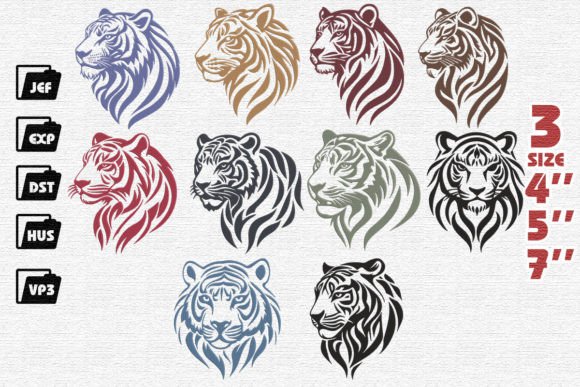
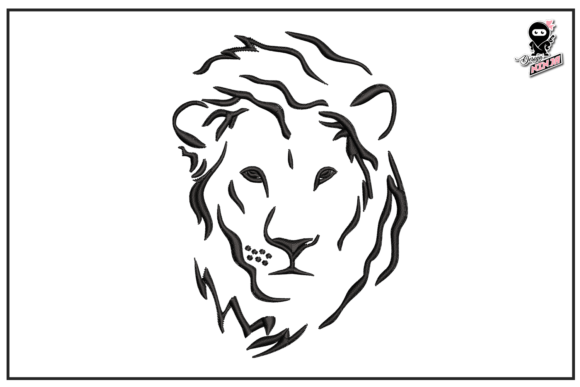
As an embroidery designer who’s tested hundreds of animal motifs for personalized gift shops, I’ll say this upfront: Lion Portrait Embroidery, Animal Design lands with quiet confidence—not loud or cartoonish, but deeply intentional. It carries a regal calm rather than ferocity, making it unexpectedly tender for baby embroidery, nursery decor, or wedding keepsakes. The lion’s gaze is gentle, its mane rendered with layered satin stitches that suggest movement without overwhelming detail. It feels handmade, not mass-produced—elegant enough for a framed heirloom piece, yet warm enough for a kitchen towel or tote bag. This isn’t seasonal or trendy; it’s classic with modern clarity. Customers drawn to meaningful symbolism—courage, protection, family strength—will connect instantly.
Where This Lion Truly Shines: Real Gift Applications
I’ve stitched Lion Portrait Embroidery, Animal Design across seven product types used daily in my shop—and each revealed a different emotional resonance:
- Baby embroidery: On organic cotton blanket corners or onesie pockets, it reads as protective and serene—ideal for “little lion” naming ceremonies or NICU keepsakes.
- Wedding gift: Embroidered on linen pillow covers or monogrammed hand towels, it subtly honors the couple’s shared strength—especially popular with non-traditional or nature-inspired weddings.
- Nursery decor: Paired with neutral fabrics (oatmeal linen, soft gray cotton), it adds grounded warmth without clutter—far more distinctive than generic safari prints.
- Embroidered towel & apron: Holds up beautifully on terry cloth when stabilized correctly; the design’s balanced proportions prevent distortion on looped surfaces.
- Pillow cover & tote bag: Its centered composition and moderate width make it ideal for standard 5x7" or 6x10" hoops—no awkward cropping or scaling needed.
- Custom order preview: Clients consistently say the digital embroidery file renders clearly in printable mockups, helping them visualize before committing—critical for Etsy sellers managing remote orders.
- Craft fair product: Mounted on a small wood frame or stitched onto a leather patch, it stands out among busier designs—inviting conversation, not just quick browsing.
Use With Care: Practical Fabric & Function Notes
This design is versatile—but not universally forgiving. Here’s where attention matters:
- Small lettering or fine details? None present—so no risk of lost definition on dense fabrics. That’s a real win for embroidered towels or baby blankets where clarity fades easily.
- Textured fabric (like bouclé or heavy canvas): Use medium-cutaway stabilizer and reduce top tension slightly. The lion’s clean outlines hold better than highly detailed wildlife motifs.
- Thick towels or stretchy baby clothes: Avoid placing near seams or elastic hems. Test stitch density first—overly dense fills can stiffen knit fabrics unnaturally.
- Curved surfaces (mugs, curved tote handles): Not recommended—the portrait format relies on flat alignment for facial symmetry.
- Dark fabric: Confirm thread colors offer contrast. Some versions include optional gold or cream accents; verify those translate well on charcoal or navy.
- Frequent washing: Reinforce backstitching at key anchor points (mane base, jawline) if stitching for heirloom baby blankets or kitchen linens.
Why It Elevates Your Handmade Product—Beyond Aesthetics
Lion Portrait Embroidery, Animal Design doesn’t just look good—it builds trust. When customers see this level of balanced composition and intentional negative space, they perceive higher craftsmanship—even before touching the finished product. That perception directly lifts perceived value: a $38 pillow cover becomes a $58 “family keepsake.” For Etsy sellers, it photographs exceptionally well—soft shadows under the mane catch light naturally, reducing the need for heavy editing. And emotionally? It invites storytelling. A new parent sees protection. A couple chooses it for their “brave new chapter.” A small shop owner uses it to differentiate from algorithm-driven competitors. That connection drives repeat buyers and word-of-mouth referrals—something no generic floral motif achieves as consistently.
Essential Embroidery Notes Before You Stitch
Before adding Lion Portrait Embroidery, Animal Design to your next batch of personalized gifts, run these checks:
- Test on scrap fabric matching your final product—especially for terry cloth, knits, or linen blends.
- Verify thread color contrast on both light and dark fabric mockups. Subtle shifts in tone change mood dramatically.
- Confirm hoop size compatibility. While it scales well, avoid stretching beyond 120%—the mane’s satin fill can pixelate.
- Review stitch density. If your machine defaults to ultra-dense fills, lighten the mane area by 10–15% for breathable baby items.
- Choose stabilizer intentionally: Tear-away for stable wovens, cut-away for knits or towels, and water-soluble for delicate lace overlays.
- Check small details post-stitch: Trim stray threads around the eyes and muzzle—those tiny areas define expression.
- Confirm commercial licensing. Since you’re selling finished products (not just the digital embroidery file), ensure your license permits small shop product and Etsy resale.
And one last note: if the product description mentions “This machine embroide”, double-check your file delivery for completeness—missing characters may indicate a truncated metadata field. Always open the embroidery file in your software to confirm layers, colors, and jump stitch placement.
A Design That Grows With Your Business
Lion Portrait Embroidery, Animal Design is more than a Wild Animals category staple—it’s a quiet workhorse for makers who value meaning over momentum. Whether you’re launching your first Etsy shop, expanding a local gift boutique, or designing custom wedding suites, this embroidery file earns its place in your core collection. It adapts without apology, connects without explanation, and stitches with reliability. In a market flooded with fleeting trends, that kind of consistency isn’t just practical—it’s precious.