Cat Portrait Embroidery, Kitten Design
A Designer’s First Look: Sweet, Simple, and Surprisingly Versatile
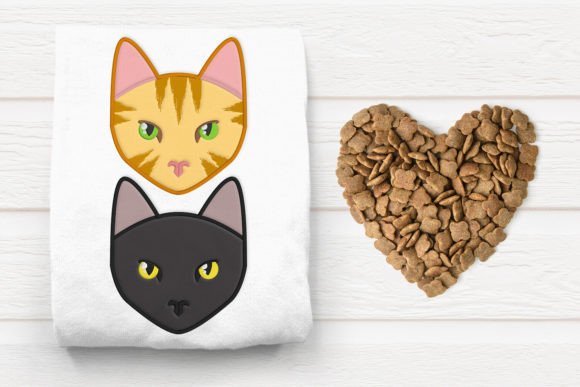
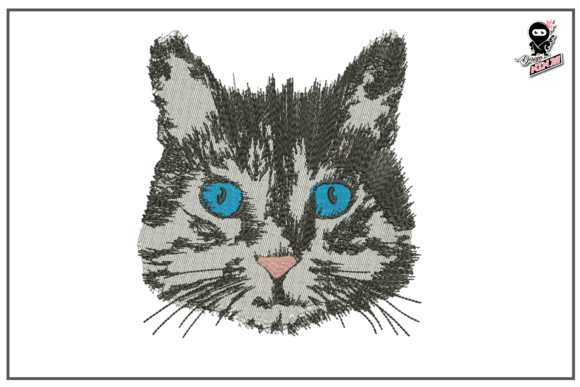
When I opened the Cat Portrait Embroidery, Kitten Design file for the first time, I wasn’t expecting much beyond a charming silhouette — but what stood out immediately was its quiet confidence. It’s not fussy or overly detailed, yet it carries unmistakable personality: soft curves, gentle facial contours, and a subtle tilt of the head that reads as curious, not cutesy. This isn’t a cartoon kitten — it’s a tender, hand-drawn-style portrait that lands somewhere between nostalgic and modern. That balance makes it feel like a natural fit for handmade products where authenticity matters more than flash.
Real-World Test: Stitching It onto a Linen Kitchen Towel
Last week, I used the Cat Portrait Embroidery, Kitten Design on a natural linen tea towel for a local boutique’s spring collection. We chose a medium-weight cutaway stabilizer and 40-weight cotton thread in warm taupe and cream. The result? Clean satin stitch outlines held their shape beautifully across the slightly nubby fabric texture, and the fill stitch areas stayed smooth without puffing or pulling. Customers responded instantly — not just to “a cat,” but to *that* cat: approachable, calm, and quietly expressive. It didn’t shout from the shelf; it invited closer looking. That’s the kind of visual trust that builds repeat buyers for small shop owners and Etsy sellers alike.
Where This Design Shines (and Where It Needs Thought)
The Cat Portrait Embroidery, Kitten Design excels in projects where warmth and intimacy matter most:
- Personalized gifts: Baby onesies, nursery pillow covers, and embroidered keepsake blankets benefit from its gentle scale and emotional resonance.
- Small-batch apparel: It works well on sweatshirt chest placements or tote bag corners — especially when paired with minimalist typography or solid-color backgrounds.
- Boutique home goods: Tea towels, aprons, and linen napkins gain instant character without overwhelming the item’s function.
- Digital product previews: As a digital embroidery file, it holds up cleanly in printable mockups — crisp lines translate reliably into both light and dark fabric previews.
Use With Care: Practical Limits You’ll Notice on Your Hoop
This isn’t a one-size-fits-all embroidery file. Its charm comes with real-world constraints worth noting before you commit to production:
- Hoop size matters. If your smallest hoop is under 4” x 4”, test carefully — fine ear details and delicate whisker accents may compress or blur at tight scaling.
- Stretchy fabrics need support. On lightweight knits or baby ribbing, skip lightweight tear-away. Go for cutaway + topping to keep satin stitch edges sharp and prevent puckering.
- Dark fabrics demand contrast checks. The design relies on subtle tonal shifts — so if you’re stitching on charcoal or navy, verify your thread colors won’t disappear into the background. A quick black-and-white mockup saves hours later.
- Avoid dense layering. Don’t stack this over heavy text or another large motif — the Cat Portrait Embroidery, Kitten Design breathes best with open space around it.
What It Adds to Your Finished Product — Beyond Just “Cute”
As a designer who evaluates hundreds of embroidery files a year, I pay attention to how a design affects perceived value — and this one lifts it. When stitched cleanly, the Cat Portrait Embroidery, Kitten Design signals intentionality: it says “this was chosen, not slapped on.” That nuance strengthens brand consistency for craft businesses and improves buyer engagement on Etsy listings. It also performs well in holiday embroidery contexts — think gift-ready embroidered patches sewn onto burlap stockings or custom sweater cuffs — because it feels personal without being seasonal.
Why Small Business Owners Should Take Note
If you sell handmade products or run a small shop, consider how often customers ask for “something sweet but not childish.” This machine embroidery design answers that request without leaning into cliché. It scales elegantly from a 2.5” patch on a denim jacket to a 5” focal point on a canvas tote. And because it avoids tiny lettering or fragile lace-like elements, it’s forgiving for newer embroiderers — meaning less rework, fewer customer complaints about detail loss, and smoother batch production.
Designer Notes You’ll Want Before Stitching
Before using the Cat Portrait Embroidery, Kitten Design in any project — especially commercial embroidery or digital resale — here’s what I always do:
- Run a test on scrap fabric matching your final substrate — same stabilizer, same thread, same tension.
- Review stitch density in the eyes and inner ear; high density there can cause stiffness on soft baby items.
- Check whether the file includes multiple sizes or only one — if it’s single-size, confirm it fits your common hoop dimensions.
- Verify licensing terms. Not all embroidery files allow resale of finished items or use in digital product bundles.
- Compare how it reads in grayscale — if it flattens too much, adjust thread contrast before finalizing.
Final Thought: A Quiet Anchor in a Busy Market
In a landscape full of loud, trend-driven embroidery designs, the Cat Portrait Embroidery, Kitten Design stands out by doing less — and meaning more. It’s not flashy, but it’s memorable. It doesn’t try to be everything, but it fits seamlessly into dozens of thoughtful, human-centered projects: the baby gift that feels like love stitched by hand, the boutique apron that tells a story without words, the custom tote that becomes a conversation starter. For designers, Etsy sellers, and craft business owners, that kind of quiet reliability isn’t just practical — it’s professional gold.