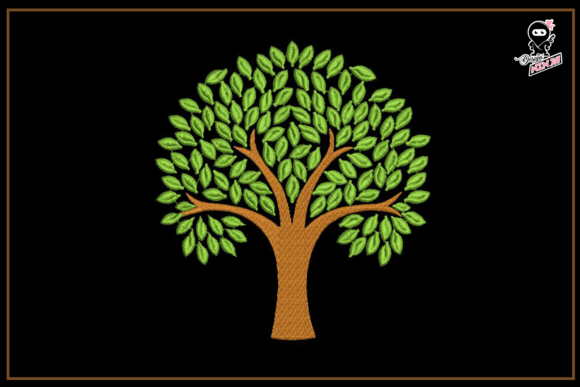
Tree of Life, Family Embroidery
A Thoughtful First Impression for Boutique Apparel Designers
As someone who’s digitized and stitched hundreds of embroidery files for small clothing brands and Etsy sellers, my eye goes straight to personality, balance, and wearability—and Tree of Life, Family Embroidery delivers a quiet, grounded confidence. It reads as both timeless and intentional: not overly ornate, not minimal to the point of abstraction. The branches flow with gentle rhythm, roots anchor without heaviness, and subtle leaf clusters suggest growth—not perfection. This isn’t a flashy “trend-chaser” design. It’s a Forest-rooted machine embroidery design that feels hand-curated, not algorithm-generated. For boutique apparel, that distinction matters. It signals care—both in creation and in curation.
Sweatshirt Embroidery That Builds Brand Trust
I tested Tree of Life, Family Embroidery on three neutral sweatshirts: heather grey French terry, oatmeal cotton-blend fleece, and charcoal loopback. On all three, it landed with warmth and clarity—not stiff, not lost. Chest placement (3.5"–4.5" wide) gave clean visual weight without overwhelming the garment’s relaxed silhouette. The stitch density feels intentional: dense enough to hold shape on stretchy fabric, but open enough to avoid puckering on thicker fleece. For a small shop product or custom apparel line, this is gold—it elevates a basic sweatshirt into something emotionally resonant. Buyers don’t just see a tree; they feel continuity, belonging, quiet strength. That emotional resonance directly supports brand identity and customer engagement.
Hoodie Design Versatility: From Sleeve Accent to Back Statement
On oversized hoodies, Tree of Life, Family Embroidery shines in two distinct roles. As a subtle sleeve accent (scaled to 2.25"), it adds artisanal detail without competing with branding. As a centered back design (4.75"), it becomes a quiet focal point—ideal for lifestyle product photos and printable mockups. I especially liked how the organic lines softened the sharp geometry of the hoodie’s yoke and hood seam. For social media graphics, it photographs cleanly against natural light and textured backdrops. No harsh shadows, no thread glare—just consistent, professional presentation.
Where It Excels—and Where Caution Is Needed
Tree of Life, Family Embroidery performs beautifully on stable, medium-weight fabrics: cotton t-shirts, denim jackets, canvas tote bags, and structured knit blends. Its balanced proportions make it highly adaptable for commercial embroidery workflows. However, use care on:
- Highly ribbed or textured fabrics: Test on scrap first—the root base may require light tear-away stabilizer to prevent shadowing
- Curved surfaces (like shoulder seams or curved hems): Hoop size and placement matter more here; confirm hoop size before stitching
- Dark garments with light thread: Contrast is strong, but inspect thread color selection—some pale greens or creams may need slight saturation boost for optimal readability
- Stretchy knits: A lightweight cutaway stabilizer is recommended over tear-away for long-term wear integrity
Real-World Use Across Your Product Ecosystem
This embroidery file isn’t just for apparel—it strengthens your entire handmade product ecosystem. On tote bags, it reads cleanly at 5" wide and pairs effortlessly with minimalist typography. In Etsy listings, it enhances perceived value: customers associate thoughtful botanical motifs with craftsmanship and intention. For digital sellers offering printable mockups, its clean lines and balanced negative space ensure crisp rendering across formats. And for seasonal collections—think cozy autumn layers or spring linen sets—it bridges aesthetics without feeling dated or seasonal.
Design Integrity Meets Practical Production Notes
Before stitching your first batch, take these practical steps:
- Test on scrap fabric matching your final garment’s weight and stretch
- Review stabilizer choice: Medium-weight cutaway works best for fleece and heavy knits; lightweight tear-away suffices for stable cotton tees
- Confirm hoop size—this impacts placement flexibility, especially on curved or narrow areas like sleeves or collar bands
- Inspect stitch density visually: Look for smooth transitions between branches and leaves—not jagged edges or over-stitched clusters
- Compare placement options on a physical garment mockup: chest, sleeve, back, or even inner cuff for surprise detail
- Check Creative Fabrica product details thoroughly—including licensing terms—before producing finished apparel for resale
Why This Design Fits Your Boutique Brand Narrative
In a market flooded with generic florals and trendy slogans, Tree of Life, Family Embroidery offers quiet differentiation. It doesn’t shout—it invites. That makes it ideal for brands building recognition through consistency and calm confidence. When repeated across sweatshirts, tote bags, and denim jackets, it becomes a recognizable signature—not a one-off decoration. Customers begin to associate that rooted, branching motif with your attention to detail, your respect for natural forms, and your commitment to meaningful custom apparel. That kind of visual consistency builds buyer trust faster than any discount code.
Final Thoughts for the Working Embroidery Designer
If you’re curating a Creative Fabrica embroidery collection for a small shop product launch—or simply refreshing your go-to files for client work—Tree of Life, Family Embroidery earns its place. It’s versatile without being vague, detailed without being fussy, and emotionally resonant without leaning into cliché. It reminds me why I love this craft: not just for the precision of the stitch, but for the stories it helps us tell—quietly, confidently, and with real heart. Whether you're stitching for an Etsy seller, a local boutique brand, or your own handmade product line, this Embroidery file carries weight—not just in thread count, but in meaning.