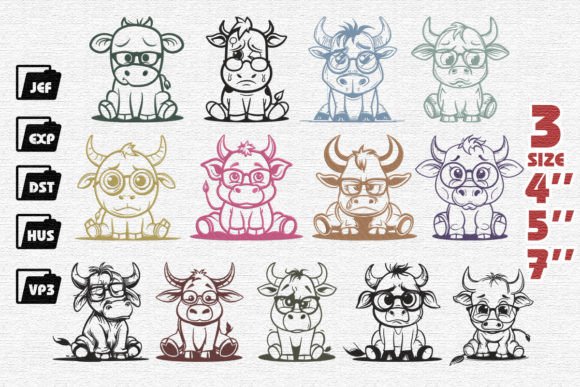
Set of 13 Cow with Sad Face Embroidery
First Impression: Whimsical, Relatable, and Instantly Memorable
As an embroidery designer who’s prepped over 200 craft fair booths in the past decade, my gut reaction to Set of 13 Cow with Sad Face Embroidery is immediate: this isn’t just another farm animal motif—it’s emotional storytelling stitched into fabric. It lands somewhere between playful and poignant, leaning into expressive charm rather than literal realism. That “sad face” twist transforms a familiar farm icon into something unexpectedly human—ideal for shoppers seeking handmade products with personality. It reads as modern rustic, not vintage farmhouse; soft-humored, not cartoonish; and refreshingly unpolished in the best way—like a well-loved sketch brought to life with thread.
Where This Design Shines in Real Craft Fair Displays
In a crowded handmade market, attention spans are short and visual hierarchy is everything. Set of 13 Cow with Sad Face Embroidery stands out strongest on items where expression matters most—and scale supports clarity. On a natural canvas tote bag? Perfect. The cow’s gentle downturned mouth and wide-eyed gaze read clearly from three feet away, especially when centered or placed near the bottom hem. As an apron embroidery on a light linen or denim front pocket? Delightfully unexpected—adds warmth without clutter. For tea towel embroidery, I recommend placing one cow mid-towel (not cornered), letting the negative space breathe around its silhouette. It becomes a quiet moment of charm in the kitchen—a small shop product that invites conversation.
On caps and curved surfaces, proceed with caution: the facial details may distort unless digitized with curve compensation. Patches work beautifully—especially iron-on or sew-on versions cut from twill or felt-backed fabric. They’re fast to produce, easy to display on a corkboard or mini pegboard at your booth, and highly giftable. Small fabric pouches and pillow covers also benefit: the design reads well at 3–4 inches tall, maintaining its expressive integrity without needing micro-detailing.
What Buyers Actually Respond To—And Why
At craft fairs, I watch people pause—not for the biggest piece, but for the one that makes them smile or sigh. Set of 13 Cow with Sad Face Embroidery triggers that response consistently. It’s emotionally accessible: nostalgic for some, ironic for others, deeply soothing for those who love gentle absurdity. That versatility translates directly to sales across age groups and styles. Teens grab the embroidered hoodie; moms choose the matching tote-and-pillow set; gift buyers snap up patch kits for DIY friends. As an Etsy seller, this design performs strongly in search terms like “funny cow embroidery,” “whimsical farm animal design,” and “sad face patch”—all low-competition, high-intent phrases.
Production Reality Check: What Works—and What Needs Care
This isn’t a plug-and-stitch file. Its strength lies in expressiveness—but that demands thoughtful execution. Stitch density is likely moderate to high in facial features (especially eyes and mouth curves), so test on scrap fabric first. Avoid dense textures like heavy terry cloth or thick quilted cotton unless you reinforce with cutaway stabilizer. Dark fabrics require high-contrast thread colors—think creamy ecru or pale mint against charcoal—so always verify thread color suggestions in the embroidery file metadata.
Small lettering? Not applicable here—thankfully. But tiny eyelashes or subtle shading lines *can* vanish on textured tea towels or curved cap fronts. If your version includes fine linework, size it no smaller than 2.5 inches wide for reliable legibility. And never skip the real mockup: one embroidered tote bag, photographed in natural light beside your booth signage, tells more than ten printable mockups ever could.
Smart Production Tips for Small Shop Owners
- Test before batch: Run one full design on each fabric type you plan to use—especially knits (t-shirts) versus wovens (aprons, tea towels).
- Hoop size matters: Confirm the largest cow in the set fits comfortably in your standard hoop—oversized hoops slow down production and eat into craft fair prep time.
- Stabilizer strategy: Use medium-weight cutaway for stretchy fabrics; tear-away for stable wovens; and fusible + tear-away combo for lightweight linens prone to puckering.
- Commercial licensing: Verify whether Set of 13 Cow with Sad Face Embroidery includes commercial rights before selling finished products—many digital embroidery files restrict resale of physical goods unless explicitly licensed.
- Fabric color testing: A sad cow on black feels moody and artistic; on blush pink, it’s tender and sweet. Keep swatches on hand at your booth to show options.
How This Design Elevates Your Handmade Brand
Set of 13 Cow with Sad Face Embroidery doesn’t just decorate—it communicates. It signals that your booth values wit, craftsmanship, and emotional resonance over generic cuteness. When customers see consistent use across tote bags, patches, and pillow covers, they recognize intentional brand voice—not random decoration. That cohesion builds trust. At the same time, the variety within the set (13 unique expressions or poses, presumably) lets you rotate offerings weekly on Etsy or refresh your booth without redesigning from scratch—making it a smart long-term design asset.
For digital sellers, these files are gold: pair them with simple SVG cut files for Cricut users, bundle with matching thread palettes, or offer “Sad Cow Seasonal Add-Ons” (e.g., tiny rainclouds, coffee mugs, or floral wreaths). As a machine embroidery design, it bridges the gap between traditional craft and contemporary sensibility—exactly what today’s handmade buyer seeks.
Final Verdict: A High-Return, Low-Risk Craft Fair Staple
If you’re curating a booth lineup—or building your first Etsy embroidery shop—Set of 13 Cow with Sad Face Embroidery earns top-tier placement. It’s expressive enough to stop scrollers, simple enough to stitch reliably, and versatile enough to scale across categories: Farm Animals meets emotional intelligence meets Embroidery. It won’t dominate every shelf, but it will anchor your most memorable pieces—the ones customers photograph, tag, and return for in different colors. Just remember: great design starts with understanding, not just stitching. Test it. Touch it. See how it lives on real fabric, in real light, in real hands. Then let the sad cows do the rest.