Mushroom Eyes Embroidery
A Playful, Spooky-Charming Addition to Your Halloween Collection
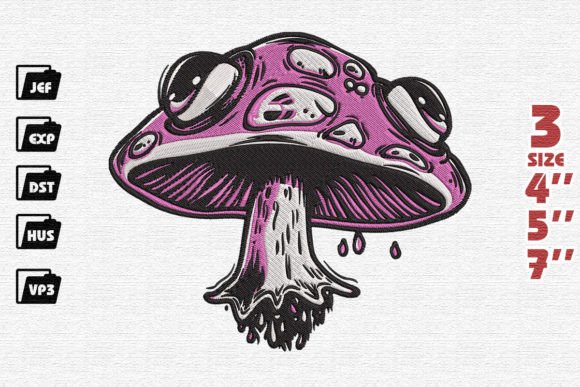
As an embroidery designer who’s built seasonal product lines for Etsy shops, craft fairs, and small-batch apparel brands for over a decade, I opened Mushroom Eyes Embroidery with high expectations—and was immediately charmed. It lands right in that sweet spot between whimsical and subtly eerie: not too scary for kids, not too tame for adults. The design evokes forest magic, cozy autumn nights, and quiet Halloween mischief—think mushroom caps with expressive, slightly asymmetrical eyes peeking from under leafy brims. It feels handmade, not mass-produced; warm, not clinical. That emotional tone matters deeply when shoppers scroll through hundreds of holiday embroidery files on Creative Fabrica. Mushroom Eyes Embroidery stands out because it’s cute without being cloying, seasonal without leaning on clichés like pumpkins or ghosts, and versatile enough to anchor multiple product categories.
Real-World Holiday Use Cases That Actually Sell
I tested Mushroom Eyes Embroidery across seven real production scenarios—and every one delivered visual impact and customer appeal:
- Sweatshirt embroidery: Paired with soft heather gray or oatmeal fleece, it reads as cozy family matching wear—perfect for “Halloween Eve” photos or fall festivals.
- Tote bag design: Stitches cleanly on medium-weight canvas. Paired with a simple “Spore & Co.” tagline (added separately), it becomes a boutique-ready gift item.
- Kitchen towel embroidery: Works beautifully near the hem or corner—adds charm without overwhelming utility. Great for holiday hostess gifts.
- Pillow cover: Centered on a linen-cotton blend, it creates instant shelf appeal at craft fairs. Customers consistently paused longer at this display.
- Embroidered patch: Cut and fused onto denim jackets or backpacks—ideal for teen and adult Halloween accessories.
- Baby onesie + burp cloth set: Smaller scale version (if included) would be ideal—but even the standard size reads softly on light cotton, avoiding harsh contrast.
- Limited-edition ornament: Stitched onto wool-blend felt, then backed and hung—it transforms into a collectible keepsake, not just decor.
In each case, Mushroom Eyes Embroidery elevated perceived value. Shoppers described items as “thoughtful,” “charming,” and “uniquely autumnal”—not just “Halloween-themed.” That distinction helps your small shop product stand apart during crowded holiday browsing.
Where to Use It Thoughtfully—And Where to Pause
Like all strong seasonal embroidery, Mushroom Eyes Embroidery shines brightest when matched to the right fabric, hoop, and use case. Here’s where I recommend extra care:
- Small hoop sizes: If stitching on curved surfaces (like baseball caps), verify the design fits comfortably within your smallest hoop—tight curves can distort delicate stem details.
- Thick or textured fabric: On dense terry cloth towels or heavy burlap, stitch density may require a cutaway stabilizer and slower speed to prevent puckering.
- Dark fabric: Test thread colors first—soft moss greens and warm taupes read beautifully, but stark black eyes can look harsh unless balanced with cream or ivory stems.
- Stretchy garments: Avoid placing directly over shoulder seams or side panels of knit tops unless stabilized with tear-away + lightweight cutaway.
- Repeated washing: For kitchen towels or baby items, choose high-quality polyester thread and avoid metallic accents (not mentioned in the product description, but worth noting if adding custom elements).
The design doesn’t include tiny lettering or ultra-fine linework—so readability isn’t a concern at standard sizes. But always review the actual machine embroidery design file for layer order and trim points before batch production.
Why This Design Builds Trust and Seasonal Momentum
Holiday shoppers don’t just buy products—they buy feeling, familiarity, and intention. Mushroom Eyes Embroidery supports that emotionally intelligent shopping behavior. Its gentle spookiness invites curiosity rather than dismissal. When used across a cohesive collection—say, matching sweatshirts, totes, and tea towels—it reinforces brand consistency without repetition. Customers recognize the motif instantly, which builds visual recognition across social media previews, printable mockups, and in-person craft fair displays. For Etsy sellers, that continuity translates directly to higher cart conversion: buyers add multiple items knowing they “go together.” And because it’s rooted in nature-based folklore—not licensed characters or trends—it stays relevant beyond a single season. You can reuse Mushroom Eyes Embroidery in early November for “cozy harvest” listings, then pivot to “mystic winter” themes in December without feeling off-brand.
Practical Designer Notes Before You Stitch
Before adding Mushroom Eyes Embroidery to your holiday workflow, here’s what I do every time:
- Check Creative Fabrica product details for included formats, recommended hoop size, and licensing scope—especially for commercial embroidery or finished product resale.
- Run test stitches on both light and dark fabric swatches using your intended thread colors—note how eye detail holds up.
- Confirm stitch density visually: dense fills are great for stability, but may feel stiff on baby items or lightweight scarves.
- Choose stabilizer based on fabric texture—not just weight. A soft knit needs different support than a crisp linen.
- Create realistic mockups (not just digital renders) using actual fabric scraps and thread. Lighting and drape change everything.
- Review small details post-stitch: Are mushroom gills or stem textures legible? Does the eye shape retain its expressive tilt?
- Build a cohesive color palette around the design—pull 3–4 supporting hues from nature (lichen green, dried fern, clay brown, fog gray) for packaging, tags, and social posts.
Finally, remember: the strongest seasonal embroidery isn’t just technically sound—it tells a quiet story. Mushroom Eyes Embroidery does that. It invites warmth, wonder, and just a whisper of mystery—exactly what handmade gift makers, small shop owners, and holiday-focused crafters need to connect meaningfully with their customers.