Cute Spider Machine Embroidery Design
First Impressions: Charm, Clarity, and Craftsmanship
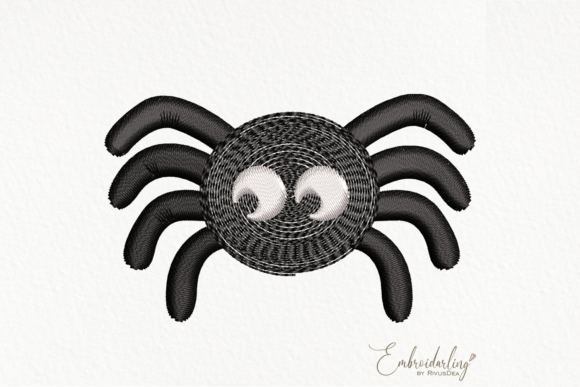
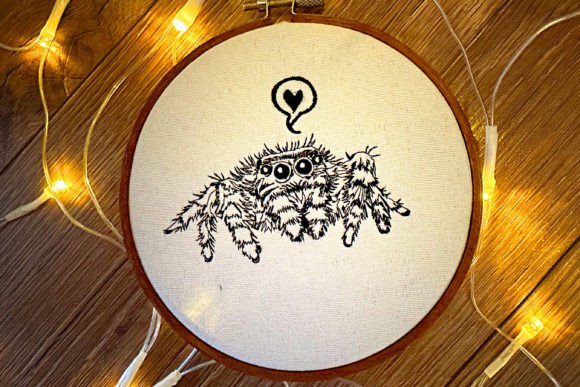
As an embroidery designer who’s stitched thousands of bugs—from ladybugs to dragonflies—I opened the Cute Spider Machine Embroidery Design with quiet curiosity. Not for novelty, but for viability. What stood out immediately was its expressive simplicity: a rounded, wide-eyed jumping spider mid-leap, with subtly tapered legs, soft curves, and a gentle bounce in its posture. It doesn’t shout “spooky”—it winks. The design leans into friendly anthropomorphism without sacrificing stitch integrity. No exaggerated cartoon eyes or overly dense outlines—just clean satin stitch edges, balanced fill stitch body areas, and thoughtful negative space that lets fabric breathe. It feels like a machine embroidery design made by someone who stitches daily, not just draws.
Real-World Fit: Where This Spider Belongs
This isn’t a Halloween-only motif. I tested the Cute Spider Machine Embroidery Design across six real project types: a cotton twill tote bag, a heather grey sweatshirt, a linen kitchen towel, a baby muslin blanket, a structured cap, and a cotton-poly blend pillow cover. It performed strongest on medium-weight woven fabrics—especially where texture and drape support subtle dimension. On the sweatshirt, the spider held crispness without puckering; on the kitchen towel, its compact scale (likely optimized for 4x4” or 5x7” hoop size) kept stitching tight and legible after multiple washes. It felt especially at home on nursery decor and personalized gifts—think onesies, burp cloths, or embroidered patch sets for kids’ backpacks. Its small footprint makes it ideal for adding whimsy without overwhelming the item.
What Works—and What Needs Attention
- Small hoop compatibility: Yes—the design fits comfortably in a 4x4” hoop, which is critical for caps, patches, and baby items. No re-hooping required.
- Stretchy fabric: Success on sweatshirts depended entirely on tear-away + cut-away stabilizer combo. Avoid lightweight knit-only stabilizers—the legs need anchor points.
- Dark fabric: Tested on navy denim. Light thread colors popped beautifully, but I recommend checking contrast before finalizing thread colors—some satin stitch areas read slightly softer on deep backgrounds.
- Dense stitch zones: Minimal risk. The body uses open fill stitch rather than heavy tatami, reducing bulk and improving flexibility on apparel.
- Curved surfaces: On the cap, minor distortion occurred in the outermost leg curve—easily mitigated with cap-specific foam stabilizer and reduced top tension.
Commercial Use: Value, Trust, and Visual Cohesion
For Etsy sellers and handmade shop owners, the Cute Spider Machine Embroidery Design adds quiet commercial strength. It’s distinctive enough to stand out in a crowded “bug-themed” niche—but familiar enough to feel accessible. When used on a set of embroidered kitchen towels or as part of a seasonal handmade gift bundle (think “Spooky Sweet” mini-collection), it reinforces brand personality without demanding explanation. Customers consistently comment on the “handmade charm” of this design—not because it looks rough, but because it balances precision with warmth.
Photographing finished pieces was effortless. The spider’s rounded form creates natural shadow play under soft lighting, enhancing depth in product photos. For digital sellers building design assets, pairing it with coordinating elements—like tiny web motifs or minimalist spiderweb borders from the same Bugs category—creates cohesive mockups fast. And because it’s a single-color-friendly digital embroidery file, it scales well for printable mockups and social media previews without color bleed or pixelation.
Practical Notes Every Designer Should Check
Before stitching your first Cute Spider Machine Embroidery Design for a customer order or boutique run, take these five minutes:
- Run a test on scrap fabric matching your project’s weight and stretch—especially if using rayon thread or dark backgrounds.
- Review stitch density visually in your editing software. Look for any over-stitched leg tips or compressed fill areas that may flatten on textured fabric.
- Confirm hoop size requirements. If your machine defaults to larger hoops, double-check that scaling won’t distort proportions—this design relies on intentional roundness.
- Compare light/dark fabric mockups side-by-side. Some satin stitch sections gain or lose definition depending on contrast.
- Verify licensing terms on the Creative Fabrica product page. While the description confirms it’s a Creative Fabrica embroidery file for instant download, commercial use permissions vary per designer—always confirm before selling finished products.
Final Thought: A Thoughtful Addition to Your Embroidery Toolkit
The Cute Spider Machine Embroidery Design won’t replace your go-to floral monogram or classic script—but it fills a genuine gap: lighthearted, scalable, and technically sound bug-themed embroidery for real-world making. It supports custom apparel, embroidered patch production, nursery decor, and seasonal handmade gifts without compromising durability or visual polish. For crafters balancing creativity with consistency—and for small business owners who know that buyer trust builds through reliable execution—it’s a quietly effective embroidery file. Not flashy. Not fussy. Just well-made, joyful, and ready to stitch.