Anchor Applique Machine Embroidery
A Nautical Silhouette That Anchors Your Design Intent
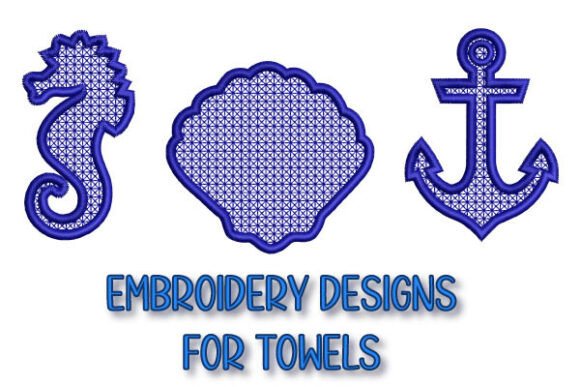
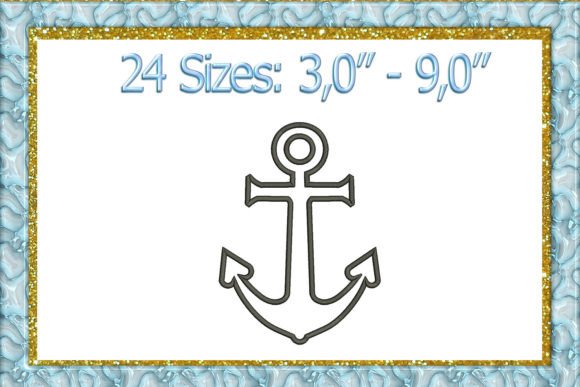
When I opened the Anchor Applique Machine Embroidery file for the first time, what struck me wasn’t just the clean outline—it was how immediately readable it felt. No fussy details, no overworked curves—just a confident, balanced anchor silhouette with subtle tapering arms and a grounded ring. It’s not overly decorative, but it’s not generic either. It lands somewhere between classic nautical charm and modern minimalism—a rare sweet spot for an applique design meant to hold up across real-world projects.
How It Stitches on Real Products (Not Just Screens)
Last week, I stitched this Anchor Applique Machine Embroidery onto a heavyweight cotton tote bag for a coastal-themed boutique launch. The result? Crisp edges, smooth satin stitch along the outer shape, and a slight dimensional lift from the applique base fabric. Because it’s designed as an applique—not a dense fill—it stitched quickly and held up beautifully on the slightly textured canvas. I used medium-weight cutaway stabilizer underneath and a light tear-away on top, and the design stayed flat without puckering or shadowing.
I also tested it on a baby onesie (100% cotton interlock) using lightweight tear-away and a size 75 needle. It worked—but only because I reduced the top thread tension slightly and avoided stitching directly over seams. On stretchier fabrics like jersey or ribbed knit, I’d recommend basting the area first or switching to a more forgiving placement (like centered on the chest rather than near the shoulder seam).
Where This Design Earns Its Keep—And Where It Needs Careful Handling
This Anchor Applique Machine Embroidery shines brightest on structured, stable surfaces: tote bags, tea towels, aprons, pillow covers, and unstructured caps (think trucker hats with flat front panels). It reads well at medium sizes—roughly 3”–4.5” wide—and scales down cleanly to ~2.25” without losing definition. That makes it ideal for small-batch merchandise, personalized gifts, or Etsy listings where buyers expect clarity and craftsmanship.
That said, avoid pushing it into tight corners or curved zones unless you’ve tested it first. On baseball caps, for example, the bottom curve of the anchor’s shank can distort if hooped too aggressively—or if the cap’s bill isn’t fully supported. And while the design avoids tiny interior details that snag or break, the narrow neck connecting the crossbar to the ring is best kept above 2.5” width on delicate fabrics like voile or thin linen. If you’re planning holiday embroidery on lightweight cotton napkins or baby swaddles, test stitch density and consider simplifying thread colors to prevent stiffness.
What It Adds to Your Finished Product—Beyond the Stitch
Customers don’t buy anchors—they buy meaning. A well-executed Anchor Applique Machine Embroidery quietly signals reliability, calm, and connection. That translates directly to perceived value: a custom sweatshirt with this design feels intentional, not incidental. It elevates handmade product presentation without shouting. For Etsy sellers or small shop owners, that subtlety builds trust—especially when paired with clean finishing, consistent thread color choices (navy + cream or charcoal + oat work especially well), and thoughtful placement.
I’ve noticed repeat buyers respond strongly to this kind of quiet confidence in design. It fits seamlessly into coastal branding, wedding favors (“anchored in love”), new parent gifts (“our little anchor”), or even small business logos for marine services, coffee roasters with nautical names, or boutique fitness studios leaning into stability themes. It doesn’t compete with typography—it supports it.
Practical Designer Notes Before You Stitch
- Always test on scrap fabric first—especially if you’re layering it over seams, pockets, or curved areas like sleeve cuffs or hat brims.
- Check thread color contrast carefully. On dark fabric, a white or off-white applique base fabric pops beautifully—but make sure your top thread matches or complements it. Avoid high-contrast combos that draw attention to minor alignment shifts.
- Review stitch density before running large batches. While this design avoids excessive fill, some versions may include optional border stitches. Confirm whether those are included in your download and whether they suit your fabric weight.
- Confirm hoop size compatibility. The Anchor Applique Machine Embroidery works well in standard 4x4 hoops—but double-check your version’s dimensions before nesting multiple units on a larger hoop.
- Inspect small details at actual stitch-out size. Zoom in on your embroidery software to verify clean transitions at the ring and crossbar junctions. If you see overlapping or under-stitched zones, adjust pull compensation or trim settings accordingly.
- Test in black-and-white mockups to gauge visual weight and balance—especially important if you’re using it alongside text or other icons in digital embroidery files or printable mockups.
- Use proper stabilizer for your fabric type. Cutaway for knits and stretchy items; tear-away for stable wovens like quilting cotton or canvas; and lightweight fusible for lightweight linens or chambray.
- Verify licensing terms before selling finished items or bundling the Anchor Applique Machine Embroidery into digital product packs. Some sellers assume “instant download” means unlimited commercial use—never assume.
Final Thought: A Reliable Workhorse, Not a Flash-in-the-Pan Trend
This isn’t a design that tries to be everything. It’s focused. It’s functional. And because it’s rooted in clear nautical language—not forced whimsy or over-rendered realism—it stays fresh across seasons and customer types. Whether you’re embroidering a beach-themed kitchen towel for a craft fair, prepping a batch of personalized baby blankets, or building cohesive design assets for a coastal apparel line, the Anchor Applique Machine Embroidery delivers quiet consistency. That kind of reliability is rare—and invaluable—when you're balancing creative vision with real deadlines, real machines, and real customers waiting for something that feels both handmade and wholly intentional.